Alberta women ‘never on sidelines’ of farming, MLA says
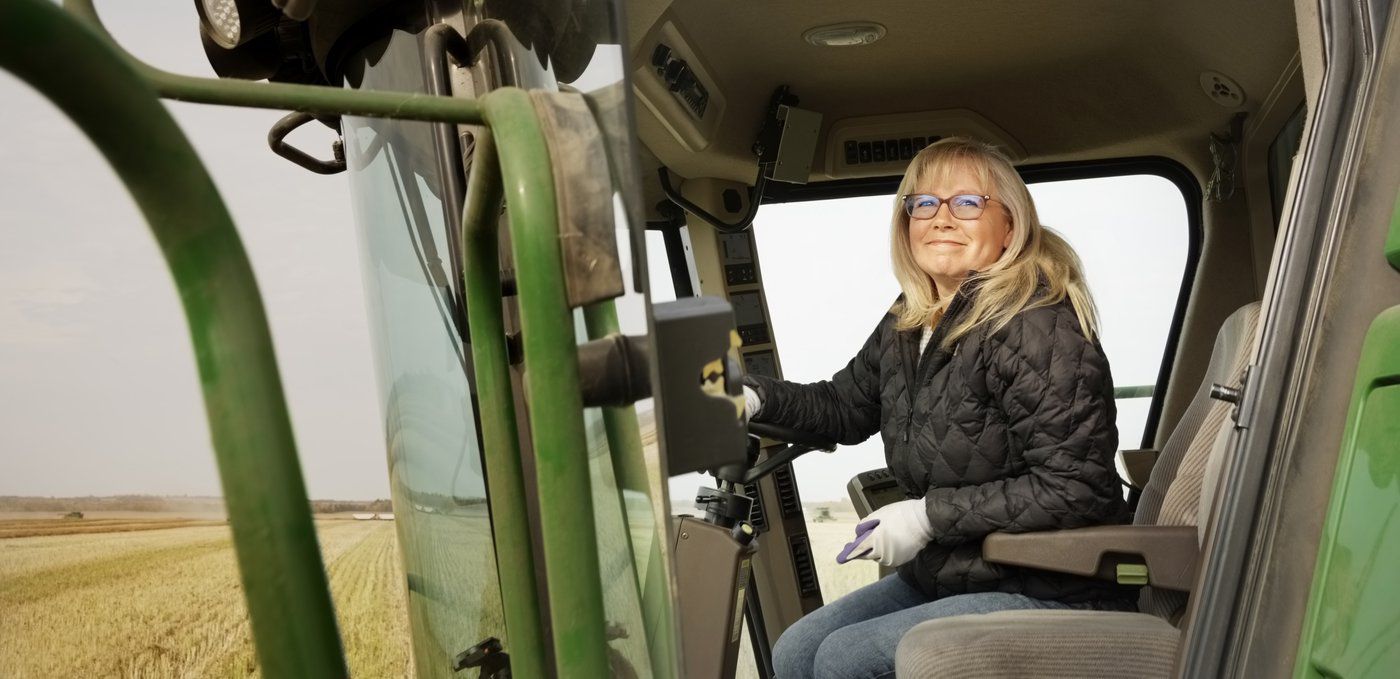
At the controls of a combine or the keyboard of a computer, female farmers in Alberta are movers and shakers in a foundational industry. iStock
By George Lee, Local Journalism Initiative Reporter
Modern Alberta farms rely heavily on women getting their post-secondary education and returning to the countryside to take on leadership roles, an MLA said recently.
But their full participation in the province’s foundational industry is nothing new, the UCP’s Tara Sawyer told the legislature in acknowledgement of UN International Year of the Woman Farmer 2026.
The year “allows us to honour something rural Alberta has always known,” said Sawyer, the member representing Olds-Didsbury-Three Hills. That is, Alberta women “have never been on the sidelines of agriculture.”
She continued in her March 9 statement: “Our history is grounded in women who pioneered alongside their spouses — women who seeded fields, tended livestock, managed households and carried operations through droughts, harsh winters and economic uncertainty.
“Whether or not their names appeared on the title, their labour and decisions built the foundation that rural Alberta stands on today.”
The worldwide situation is far less fair, according to the UN. Its Food and Agriculture Organization says that much of the planet suffers from a farming gender gap in productivity and wages.
Closing it could increase global gross domestic product by $1 trillion and reduce food insecurity for 45 million people, the organization estimates.
In Canada women represent over 30 per cent of the total farm population, according to the most recent data from Statistics Canada.
Alberta has close to 20,000 female farm operators, making up around 25 per cent of the national total in their demographic and placing Alberta behind just one province, Ontario.
“I have been encouraged throughout my life in agriculture by both women and men who believed in working side by side for the good of the farm, the family and the community,” said Sawyer.
“That spirit of partnership is part of what makes our rural way of life so strong.”
Across Alberta women are studying agribusiness, animal science and environmental stewardship, then returning to farms and “stepping into leadership roles,” she said.